
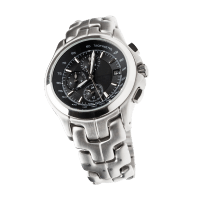
 Luxury Watches
 Diamonds
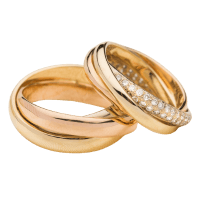 Jewelry
 Gold
Gold Gemstone
 Estate Jewelry
 Silver
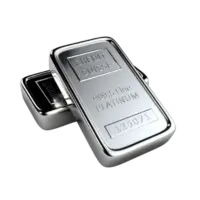 Platinum
Loans obtained through pawnshops are secured loans in which borrowers pledge priceless possessions as security for money. The pawnshop determines the item’s value and makes a loan offer accordingly. In order to retrieve their item, borrowers normally have 30 to 90 days to repay the loan plus interest. Pawnshops have the right to sell items to recoup their costs if loans are not repaid.
Key Takeaways
- Pawnshop asset loans are a type of secured loan where the borrower uses personal assets as collateral.
- To get a pawnshop asset loan in NYC, you need to bring in a valuable item, such as jewelry or electronics, for appraisal.
- Understanding the risks and benefits of pawnshop asset loans is important, as they typically have high interest rates but do not require a credit check.
- The main difference between pawnshop asset loans and traditional loans is that pawnshop loans are based on collateral, while traditional loans are based on credit history and income.
- Pawnshop asset loan regulations in NYC include interest rate caps and mandatory reporting of transactions to law enforcement.
- To maximize the value of your assets at a pawnshop, clean and present them well, and be prepared to negotiate the loan terms.
- Alternatives to pawnshop asset loans in NYC include personal loans, credit cards, and borrowing from friends or family.
These loans offer a quick alternative to credit checks & drawn-out approval procedures for getting cash. They are frequently used by people who have emergencies or unforeseen costs. State and local laws govern pawnshop operations to guarantee ethical business practices and safeguarding of customers. Pawnshop asset loans can be useful for people in need of quick cash and have valuable collateral, but before you proceed, it’s important to understand the terms and risks involved.
Common pcs\. of Equipment. Precious metals, watches, jewelry, designer handbags, and electronics are frequently utilized as collateral.
The Procedure for Lending. After accepting the terms of the loan, you will get the money along with a pawn ticket that details the terms of the loan & acts as a receipt for your item. You’ll have a predetermined amount of time, usually between 30 & 90 days, to pay back the loan plus interest in order to get your item back. Your item may be sold by the pawnshop to recover their costs if you are unable to pay back the loan.
| Metrics | Data |
|---|---|
| Number of pawnshops in NYC | 200 |
| Average loan amount | 150 |
| Percentage of loans repaid | 85% |
| Value of assets held by pawnshops | 100 million |
Key Points to Remember. Before accepting a loan, it’s important to carefully read over all of the terms, including the interest rate, length of the repayment term, and any associated fees. Make sure you are aware of the repercussions of not repaying the loan because you might end up losing your priceless item. One advantage of pawnshop asset loans is that they don’t require a credit check or a drawn-out approval process, which allows for instant access to cash. They might be a practical choice for people who require quick money for emergencies or unforeseen costs.
Regarding the kinds of goods that can be used as collateral for a loan, pawnshops also provide flexibility. On the other hand, pawnshop asset loans come with risks. These loans have exorbitant interest rates, and you run the risk of forfeiting your priceless item if you are unable to return the loan within the allotted time. When making an agreement with a pawnshop, it’s crucial to give serious thought to whether you will be able to repay the loan. Reviewing the terms and weighing the advantages and disadvantages of obtaining a pawnshop asset loan is crucial before applying. Check to see if you are aware of the interest rates, the loan’s repayment terms, and the repercussions of not making the payments.
A pawnshop asset loan might be a good way to get quick cash if you know you can pay it back within the allotted time. Loans for pawnshop assets are distinct from conventional loans in a number of important ways. Pawnshop asset loans don’t usually require an income verification or credit check like traditional loans do. For those with bad credit or no credit history, pawnshop asset loans are a good option because of this.
In addition, conventional loans, as opposed to those secured by pawnshop assets, frequently have lower interest rates and longer repayment terms. Pawnshop asset loans are easily obtained without a lot of paperwork, whereas traditional loans usually require a formal application process and approval from a financial institution. On the other hand, pawnshop asset loans demand collateral while conventional loans do not. This implies that you won’t lose any priceless goods, but your credit score might suffer if you can’t pay back a traditional loan.
However, there’s a chance you could forfeit your collateral if you can’t pay back a loan against an asset from a pawnshop. When selecting the best loan option for your financial needs, it’s critical to carefully weigh the distinctions between traditional loans and pawnshop asset loans. To maintain fair practices and consumer protection, pawnshops in New York City are subject to state and local regulations.
Pawnshop asset loans are subject to these regulations, which also control fees, disclosure requirements, and interest rates. Pawnshops in New York City are expected to disclose all loan terms, including interest rates and any associated fees. Also, they must give borrowers a pawn ticket that contains comprehensive details about the loan and the collateral item. The maximum monthly interest rate on loans for pawnshop assets in New York City is 4 percent, as set by state legislation.
It follows that pawnshops are not allowed to charge monthly interest rates on loans to customers higher than 4 percent. There are also restrictions on the amount of money pawnshops can charge for collateral item insurance and storage. When applying for a pawnshop asset loan in New York, it’s critical to be aware of these rules. Carefully read the loan terms and make sure the pawnshop complies with all applicable local and state laws.
There are various strategies to maximize the value of your assets at a pawnshop if you’re thinking about applying for an asset loan from a pawnshop. Prior to bringing your belongings to the pawnshop, make sure they are clean & in good condition. Things that are in good condition and have been well-maintained will usually fetch a higher loan amount. It is imperative to furnish any supporting documentation or authenticity certificates for expensive pieces like designer handbags or jewelry. This can support the item’s value and raise the possibility of getting a larger loan amount.
Be ready to share details regarding the item’s provenance, history, and market value with the pawnshop when negotiating the terms of the transaction. This may contribute to proving the item’s worth and lead to a larger loan amount. Ultimately, think about getting appraisals from reliable places before bringing your stuff to the pawnshop. This can help guarantee that you are given a reasonable loan amount and offer an unbiased evaluation of the item’s worth. While pawnshop asset loans might be a practical way to get quick cash, there are other options in New York to think about.
One of those options is getting a personal loan from a bank or credit union. When compared to loans secured by pawnshop assets, personal loans usually have longer repayment terms and lower interest rates. Another option is to use a credit card to get a cash advance. Cash advances are a quick way to get money without putting valuables as collateral, even though they frequently have higher interest rates than regular credit card purchases. Consignment stores or internet marketplaces are additional options to consider if you have valuable items you are thinking about using as collateral for a pawnshop asset loan.
This can give you quick cash without requiring you to pay it back or take a chance on losing your priceless belongings. It’s crucial to carefully weigh these options before applying for a pawnshop asset loan in order to decide which one best fits your needs in terms of both finances & circumstances.
If you’re interested in learning more about pawnshop asset loans in NYC, you should check out NY1 Pawn’s article on “3 Key Factors for Purchasing Items that Meet Your Requirements.” This article provides valuable insights into making smart purchases and understanding the value of the items you may want to use as collateral for a loan. You can read the full article here.
FAQs
What is a pawnshop asset loan?
A pawnshop asset loan is a type of loan where a borrower uses a valuable item, such as jewelry or electronics, as collateral in exchange for a cash loan from a pawnshop.
How does a pawnshop asset loan work?
To obtain a pawnshop asset loan, a borrower brings in a valuable item to a pawnshop, where the item is appraised and a loan amount is offered based on the item’s value. If the borrower accepts the loan amount, they receive the cash and the pawnshop holds onto the item as collateral. The borrower has a set period of time to repay the loan plus interest, or the pawnshop has the right to sell the item to recoup the loan amount.
What are the requirements for obtaining a pawnshop asset loan in NYC?
The requirements for obtaining a pawnshop asset loan in NYC may vary by pawnshop, but generally, borrowers need to provide a valid form of identification and the valuable item they wish to use as collateral. Some pawnshops may also require proof of ownership for the item.
What are the benefits of getting a pawnshop asset loan in NYC?
Some benefits of getting a pawnshop asset loan in NYC include quick access to cash without a credit check, the ability to use valuable items as collateral, and the option to reclaim the item once the loan is repaid. Additionally, pawnshop asset loans do not impact the borrower’s credit score.
What are the risks of getting a pawnshop asset loan in NYC?
Risks of getting a pawnshop asset loan in NYC include the potential for losing the valuable item if the loan is not repaid, high interest rates, and the possibility of receiving a lower loan amount than the item’s actual value. It’s important for borrowers to carefully consider the terms and conditions of the loan before entering into an agreement with a pawnshop.


