
 Luxury Watches
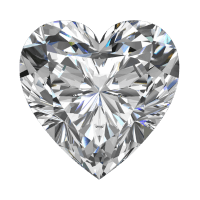 Diamonds
 Jewelry
 Gold
 Gemstone
 Estate Jewelry
 Silver
 Platinum
Sell Diamonds in NYC – Trusted Diamond District Buyers
We buy all types of diamonds, from loose stones to fine diamond jewelry.
Get a free, transparent appraisal and a competitive offer on the spot.
What We Buy
- Loose diamonds (certified or non-certified)
- Engagement and wedding rings
- Diamond earrings, bracelets, and pendants
- Estate and vintage diamond jewelry
- Large stones and unique cuts

How it works
Visit or Start Online
Share details or bring your item to any NY1PAWN location.
Free Appraisal
Our specialists evaluate authenticity, purity, and market value to provide a fair and transparent offer.
Get Paid Instantly
Accept the offer and receive immediate payment, or choose a collateral loan option.
Why Choose NY1PAWN
- Licensed experts with GIA diamond training
- Transparent, market-based pricing
- Fast, discreet transactions
- Option to pawn your diamond for a short-term loan instead of selling
Diamond Buyers and Sellers: Do’s and Don’ts
Do’s
- Stay present during your diamond appraisal
Always keep your jewelry in sight while it’s being evaluated. A transparent process builds trust between you and the buyer. - Confirm professional expertise
Choose a licensed New York pawn shop or diamond buyer who can confidently assess your stone without repeated outside consultations. - Evaluate the appraisal environment
The office should be secure, private, and well lit, giving you confidence in the safety of your valuables. - Ask about payment options
Reputable diamond buyers offer multiple payment methods, such as check, wire transfer, or cash, so you can select what works best for you.
Dont’s
- Avoid buyers who call multiple “experts” during your appraisal
This may indicate a lack of in-house expertise and could lower your offer. - Be cautious of commission-driven staff
Commission structures can sometimes lead to lower initial offers. Ask to speak with a senior appraiser or manager if needed. - Do not ignore your comfort level
If the location feels unprofessional or your questions are not answered clearly, consider taking your diamonds to another buyer.
Resources for Diamond Sellers

Understanding diamond cut
Learn how the arrangement of a diamond’s facets affects brilliance and why precision matters more than shape.

Decoding diamond color
Discover how the GIA D to Z color scale grades colorlessness and why near-colorless stones often command higher prices.

Knowing carat weight
See how carat relates to both actual weight and perceived size, and how small variations can affect value.

Exploring clarity
Understand how inclusions and blemishes influence a diamond’s clarity grade and market price.
Diamonds are prized for their ability to transmit light and create exceptional sparkle. What we commonly refer to as a diamond’s cut is not its shape, such as round, oval, heart, marquise, or pear, but rather how precisely the diamond’s facets are crafted to interact with light.
Achieving an ideal cut requires exceptional skill and craftsmanship. The process involves carefully shaping the rough stone, removing imperfections, and refining each facet so the diamond reflects and refracts light to its fullest potential.
The quality of a diamond’s cut has a direct impact on its brilliance and value. Among the four Cs, cut is the most complex and technologically demanding to evaluate. The Gemological Institute of America (GIA) assesses cut quality by analyzing the proportions of round brilliant diamonds and how effectively they interact with light. This analysis determines how well a diamond produces the visual effects that define its beauty, including:
- Scintillation, the sparkle created by light and dark patterns as the diamond moves
- Brightness, the reflection of white light from the diamond, both internally and externally
- Fire, the dispersion of white light into a spectrum of rainbow colors
Understanding diamond color is essential to selecting the highest-quality stone. Most gem-grade diamonds are evaluated based on their degree of colorlessness. In general, the less color a diamond has, the more valuable it is. Even a slight presence of color can reduce a diamond’s purity and overall value.
The Gemological Institute of America (GIA) grades diamond color using the D-to-Z scale, which measures how much color is visible when compared to standardized reference stones. This evaluation is conducted under controlled lighting and precise viewing conditions to ensure accuracy.
Differences in diamond color can be subtle and difficult to detect, even for trained professionals. However, these small variations have a significant impact on a diamond’s quality and price. For this reason, consulting an experienced GIA gemologist is highly recommended when determining the ideal color for a diamond.
Carat weight is a key measurement used to determine a diamond’s physical weight and its apparent size. It directly influences how large a diamond appears to the eye and plays an important role in its overall visual presence and appeal.
Larger carat weights generally result in larger, more noticeable diamonds, which is why carat weight is often one of the first factors considered by buyers and gemologists. As carat weight increases, a diamond’s size and visual impact typically increase as well.
However, carat weight is only one component of the Four Cs of diamond evaluation. Cut, color, and clarity are equally important in determining a diamond’s beauty and value. A well-balanced combination of all four factors is essential to properly assess a diamond’s true quality and worth.
To understand diamond clarity, it is important to first understand how diamonds are formed. Natural diamonds develop deep within the earth under extreme heat and pressure. During this process, small natural characteristics can form within or on the surface of the stone. Internal characteristics are known as inclusions, while surface features are referred to as blemishes.
Diamond clarity is evaluated based on the number, size, nature, relief, and placement of these inclusions and blemishes, as well as their overall effect on the diamond’s appearance. No natural diamond is completely free of characteristics, but diamonds with fewer and less visible inclusions are considered clearer and more valuable.
The Gemological Institute of America (GIA) established the Diamond Clarity Scale, which classifies diamonds into 11 grades across six categories:
- Flawless (FL)No inclusions or blemishes visible under 10x magnification
- Internally Flawless (IF)No inclusions visible under 10x magnification
- Very, Very Slightly Included (VVS1 and VVS2)Inclusions are extremely difficult for a skilled grader to see under 10x magnification
- Very Slightly Included (VS1 and VS2)Inclusions are visible with effort under 10x magnification but are considered minor
- Slightly Included (SI1 and SI2)Inclusions are noticeable under 10x magnification
- Included (I1, I2, and I3)Inclusions are obvious under 10x magnification and may affect transparency and brilliance
Diamond clarity is one of the Four Cs of diamond grading and plays a significant role in determining a diamond’s value and desirability. Understanding clarity helps you appreciate the internal characteristics that make each diamond unique, allowing you to select a stone that balances beauty, quality, and value.
Frequently asked questions
What types of diamonds does NY1PAWN buy?
We buy all types of diamonds, including natural and lab-grown stones, loose diamonds, mounted diamonds, engagement rings, and fine jewelry. GIA certification is helpful but not required. Our experts can evaluate diamonds with or without documentation.
Is your diamond appraisal process transparent?
Yes. Every appraisal is conducted openly, with your diamond evaluated in front of you. We explain how value is determined and base our offers on current market demand, diamond quality, and condition.
Are your diamond appraisers experienced and certified?
Yes. Our appraisers have decades of experience in the Diamond District and work with diamonds daily. They are trained to evaluate stones accurately and efficiently without the need for outside consultations.
Are you a licensed diamond buyer and pawnbroker in NYC?
Yes. NY1PAWN is a fully licensed and regulated New York City diamond buyer and pawnbroker. We operate in compliance with all local and state regulations, ensuring a safe and professional transaction.
Can I trust NY1PAWN with my valuable diamonds?
Absolutely. We handle high-value diamonds every day in a private, secure environment. Your diamonds remain under professional supervision at all times and are never taken out of view during evaluation.
Are my privacy and confidentiality protected?
Yes. Discretion is a priority. All transactions are handled privately, and client information is kept strictly confidential. Many of our clients choose NY1PAWN specifically for our discreet process.
Can I sell my diamond or use it as collateral for a loan?
Yes. You may choose to sell your diamond outright or use it as collateral for a short-term loan. This option allows you to access immediate funds while retaining ownership of your diamond, with the ability to redeem it later.
Is the diamond appraisal free?
Yes. All diamond appraisals at NY1PAWN are completely free and carry no obligation to sell or proceed.
Get Started
Bring your Diamond to New York One Pawn or request a free online appraisal.
Locations
Diamond District
67 West 47th St.
New York, NY 10036
Phone: (212) 278-828
Directions
Midtown
51 E 34th St #1a,
New York, NY 10016
Phone: (212) 380-8084
Directions
Central Islip
1637 Islip Ave,
Central Islip, NY 11722
Phone (631) 630-9244
Directions


