
 Luxury Watches
 Diamonds
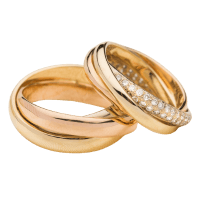 Jewelry
 Gold
Gold Gemstone
 Estate Jewelry
 Silver
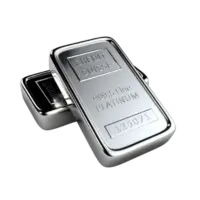 Platinum
Since ancient times, pawn shops have been providing consumers with fast cash loans and discounted goods. Customers can get a loan based on the appraised value of valuable items they bring, such as jewelry, electronics, or musical instruments. This is the basic idea behind the loan application process. The item is kept as collateral by the pawnbroker until the loan—which usually includes interest—is paid back. The pawnbroker has the right to sell the item to recoup the loan amount if it is not repaid within the prearranged period. Pawn shops must abide by tight rules regarding interest rates, loan terms, and item handling, as stipulated by state & local laws.
Key Takeaways
- Pawn shops offer short-term loans in exchange for items of value as collateral
- Research local pawn shops to compare interest rates, loan terms, and customer reviews
- Check the reputation of pawn shops through online reviews and customer testimonials
- Pawn shops accept a wide range of items including jewelry, electronics, and musical instruments
- Negotiate loan terms and interest rates to get the best value for your items
Customers should be aware of the loan terms, the repercussions of defaulting, and the procedure for redeeming pawned goods before entering into any transactions. Keep in mind that pawn shops are not retail establishments, & merchandise might not be in brand-new condition. They can, however, be great places to find unusual goods at discounted costs.
Customers can also sell goods directly from pawn shops rather than pawning them for loans. This gives you a fast way to get paid for stuff you don’t want. Customers should have reasonable expectations about the value of their items and be ready to negotiate prices when selling to pawn shops. Anyone thinking about using pawn shops should be aware of these basic facets of their business.
Looking up reviews on the internet. It’s important to do your homework & compare nearby pawn shops before choosing the best one for your needs. There are differences between pawn shops in terms of reputation, customer service, and accepted items. Checking internet reviews and ratings is one of the first steps in investigating nearby pawn shops. Yelp and Google Reviews are two websites that can offer a pawn shop’s general reputation in addition to offering insightful information about previous customers’ experiences.
| Criteria | Rating |
|---|---|
| Location | 4.5/5 |
| Customer Reviews | 4/5 |
| Interest Rates | 3.5/5 |
| Inventory | 4/5 |
| Customer Service | 4.5/5 |
Going in Person to Pawn Shops. Pawn shops should be visited in person in order to gauge the atmosphere & degree of professionalism, in addition to reading reviews online. It’s critical to watch how clients are handled and whether staff members are informed and accommodating. This can help you decide if the pawn shop is a good fit for your needs and how it operates.
Examining & contrasting fees & services. Asking about the kinds of items that each pawn shop accepts and sells is important because some may specialize in particular categories, like jewelry or electronics. By doing this, people can locate the ideal pawn shop for their requirements. When evaluating nearby pawn shops, it’s crucial to take into account the interest rates and other costs related to their loans.
Pawn shops may be limited in how much interest they can charge by state regulations, but individual shops may still charge differently. People can make sure they’re getting the best deal by comparing the terms and fees provided by various pawn shops. It is imperative to assess the reputation & reliability of a pawn shop before doing business with them. Fair transactions, open policies, and top-notch customer support are hallmarks of a trustworthy pawn shop. Examining internet testimonials & ratings from previous clients is one approach to determine a pawn shop’s standing.
These evaluations can offer insightful information about other people’s experiences and serve as a gauge for a pawn shop’s general reliability. People should find out about a pawn shop’s accreditation and license in addition to reading internet reviews. In addition to having a license from local and state authorities, reputable pawn shops might also belong to trade associations. These certifications can offer reassurance that a pawn shop follows moral business conduct and legal requirements. Also, when you visit a pawn shop in person, pay attention to how the customers are handled. A reliable establishment may be identified by its polite, informed employees who are eager to help & respond to inquiries.
An additional aspect to take into account when assessing a pawn shop’s reputation is its level of community involvement. Pawn shops with good reputations tend to be involved in the community, donate to charitable causes, and maintain good relations with other local businesses. This degree of community service can show a dedication to moral business conduct and client satisfaction. In summary, assessing the standing & reliability of a pawn shop is crucial to guaranteeing a satisfying encounter and equitable treatment as a client.
Numerous goods can be used as collateral for loans or as an outright purchase at pawn shops. Jewelry, watches, electronics, tools, firearms, and musical instruments are among the common items that pawn shops accept. Nevertheless, not every pawn shop will accept the same kinds of goods, so before bringing anything in for appraisal, people should make sure it’s accepted. While some pawn shops may have more inclusive acceptance policies, others may specialize in particular item types, such as luxury jewelry or antique collectibles.
Apart from tangible objects, certain pawn shops might also take other kinds of collateral, like properties or automobiles. People should ask about these options if they have valuable assets they are thinking about using as collateral because these transactions usually involve larger loan amounts and more complicated terms. It’s crucial to bring items to a pawn shop with reasonable expectations about their value in order to get an appraisal. Goods with strong market demand will normally sell for more at auction or receive larger loan amounts than outdated or damaged goods. People should also be aware that pawn shops are not retail establishments & might not take everything that is offered to them.
Pawn shops may accept items based on a variety of factors, including condition, authenticity, and market demand. Also, pawn shops may be restricted in the kinds of items they can accept as collateral by local and state laws. If someone wants to use pawn shops, they must, in general, know what kinds of items they accept. People should read the conditions of any loans or sales agreements they enter into before doing business with a pawn shop. Interest rates, loan amounts, and sale prices are frequently negotiable because pawn shops are profit-driven enterprises.
To make sure they are receiving the best deal on their goods or loans, people should be ready to haggle with pawnbrokers. Understanding the interest rates and costs related to loans is essential to understanding pawn shop jargon. Although maximum interest rates set by state regulations may apply to pawn shops, there may still be differences between individual businesses.
Before completing any transactions, people should ask about the precise terms & fees related to their loans. It’s crucial to comprehend the conditions as well as any grace periods or extensions that might apply when redeeming pawned goods. When selling goods outright to a pawn shop, people should be ready to haggle over sale prices in addition to loan terms. When buying goods, pawnbrokers usually offer lower prices than retail establishments, so it’s critical that people have reasonable expectations about the worth of their possessions.
Fair sale prices can be negotiated with pawnbrokers by people who are aware of market prices for comparable items. In general, getting the best deal for one’s goods or loans requires negotiating and being aware of the terms used by pawn shops. People can get the most out of their experiences with pawn shops by being aware of their rights as consumers and prepared to bargain with pawnbrokers.
Expertise & investigation are paramount. Conducting research on the items being brought in for appraisal is one of the most crucial pieces of advice for obtaining the best deal at a pawn shop. Negotiating fair loan amounts or sale prices with pawnbrokers can be made easier for individuals who know the market value of jewelry, electronics, or other valuable items.
With this information, people can also avoid disappointment when they receive offers from pawnbrokers by setting reasonable expectations regarding the demand and condition for their belongings. It’s Important to Negotiate. Being willing to haggle over terms & prices is another essential piece of advice for getting the best deal at a pawn shop. Pawnbrokers frequently allow for bargaining when it comes to loan interest rates or item sale prices. People can get better deals at pawn shops by negotiating politely but assertively. People also need to know that they have rights as consumers and that they shouldn’t feel compelled to accept offers that make them uncomfortable.
Establishing a Positive Bond. People can get the best deal at a pawn shop by developing a good rapport with the business in addition to being organized and open to haggling. Pawnbrokers have the potential to offer better terms and treatment to loyal customers who exhibit professionalism and ease of dealing with. Positivity at pawn shops and profitable transactions can result from developing a rapport and trust with pawnbrokers. During transactions, it’s critical for customers of pawn shops to understand their rights and obligations.
Transparency with regard to loan terms and fees is a fundamental right of customers using pawn shops. Pawnbrokers have a legal obligation to fully disclose all terms of any loans or sales agreements prior to completing any transactions. This covers interest rates, costs, loan repayment grace periods, and any repercussions that might arise from loan default. Also, when bringing in items for assessment or conducting transactions, customers have the right to be treated fairly by pawnbrokers. The fair evaluation of their belongings according to market value and condition, as well as courteous treatment from employees, are all part of this. Consumers have the right to file complaints with state or local authorities or, if necessary, pursue legal action if they believe that a pawn shop has treated them unfairly or unethically.
When using the services of a pawn shop, customers have obligations in addition to rights. Giving accurate information about goods brought in for appraisal or pawning is one duty. It is also necessary to disclose any damage or flaws that could lower an item’s value.
Clients must also return loans in accordance with the conditions set forth or return pawned goods within the allotted time. All things considered, being aware of your rights and obligations as a pawn shop customer is crucial to guaranteeing just treatment and satisfying experiences throughout transactions. People may conduct business with pawn shops with confidence and safeguard their interests by being aware of the ethical norms and legal protections that apply to the sector.
If you’re looking for a pawn shop near me that offers collateral loans, NY1 Pawn is a great option. They specialize in unlocking the hidden value of your assets and exploring the benefits of collateral loans in NYC. Their services also include cash for gold, and they provide helpful tips for selling precious metals. Check out their website for more information on their services and how they can help you with your financial needs. (source)
FAQs
What is a pawn shop?
A pawn shop is a business that offers secured loans to people, with items of personal property used as collateral.
What items can I pawn at a pawn shop?
Most pawn shops accept a wide variety of items including jewelry, electronics, musical instruments, tools, and more. It’s best to check with the specific pawn shop for their accepted items.
How does pawning work?
When you pawn an item, the pawnbroker will assess its value and offer you a loan based on that value. If you accept the loan, you will receive the money and the pawnbroker will keep your item as collateral. You have a certain amount of time to repay the loan plus interest to get your item back.
What happens if I don’t repay the loan?
If you are unable to repay the loan, the pawnbroker will keep your item and may sell it to recoup the money they loaned to you.
Are pawn shops regulated?
Yes, pawn shops are regulated by state and local laws, and they are required to adhere to certain regulations regarding interest rates, holding periods, and reporting of transactions.
Can I buy items at a pawn shop?
Yes, pawn shops also sell items that have been pawned and not redeemed, as well as items that have been directly sold to the pawn shop.
What should I look for in a pawn shop near me?
When looking for a pawn shop, consider factors such as reputation, customer service, interest rates, and the types of items they accept and sell.


