
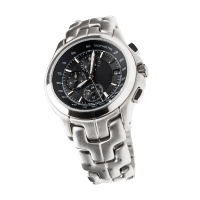
 Luxury Watches
 Diamonds
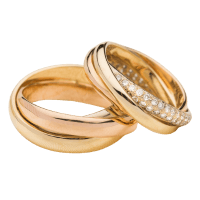 Jewelry
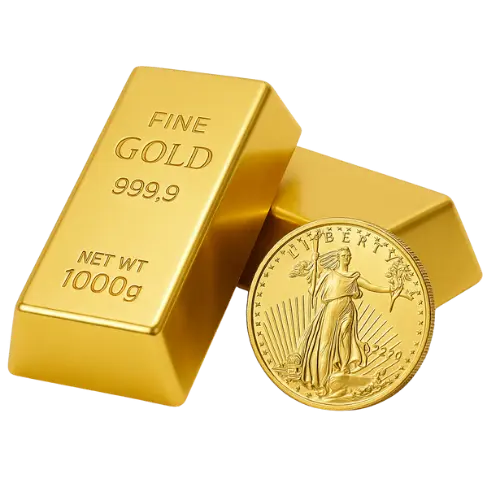 Gold
 Gemstone
 Estate Jewelry
 Silver
 Platinum
Somewhere in the process of settling a loved one’s affairs, a box appears: a jewelry case, a bank envelope, a drawer of small boxes inside boxes. Inside is a tangle of chains, a ring that might be valuable, coins nobody remembers buying, and pieces whose stories went with the person who wore them. If you’ve inherited jewelry and don’t quite know what to do with it, this guide is the unhurried version: how to sort what you have, what to keep together, and what an estate evaluation actually looks like when you’re ready for one. There is no deadline on any of it.
First: slow down, nothing is urgent
Jewelry is one of the few parts of an estate that keeps perfectly well in a drawer while everything else gets handled. It doesn’t spoil, expire, or need a decision this week — and decisions made in the first fog of grief are the ones people most often revisit. So the first step is simply to secure the box somewhere safe and give yourself permission to deal with it later.
A few practical cautions for the meantime. Don’t throw anything away yet — not the broken chains, not the single earrings, not the little paper envelopes; broken gold is still gold, and envelopes often hold the receipts that explain everything else. Don’t clean, polish, or “improve” anything; buyers prefer pieces as they are, and original surfaces can matter. And don’t divide pieces among family members by guesswork about value — guesses within families have a long half-life. Sort first, learn what things are, then decide together with real information.
Sort into four piles
Spread everything on a table in good light, and sort by category rather than by guessed value. Four piles cover nearly every estate:
- Fine jewelry — rings, chains, bracelets, earrings, and pendants in yellow, white, or rose gold or platinum. Look for stamps inside bands and on clasps (10K, 14K, 18K, 585, 750, PLAT are common). Diamonds and colored stones usually live here too.
- Watches — wristwatches and pocket watches, running or not. Keep each watch with its box, papers, and spare links if they exist anywhere in the house; a watch’s extras are part of its value, and they often surface in a different drawer from the watch itself.
- Signed and designer pieces — anything with a maker’s name or signature engraved on it, in its branded box if there is one. These get their own pile because a signature can matter as much as the materials.
- Everything else — costume jewelry, silver pieces (look for “925” or “Sterling” stamps), coins, and the genuinely unknown. “Unknown” is a legitimate pile; sorting doesn’t require you to know what things are, only to keep unlike things apart.
Work piece by piece and take phone photos as you go — if the estate is being divided, that simple record prevents most misunderstandings later.
Papers, boxes and receipts — keep them all
Estates generate paper, and with jewelry the paper is evidence. Keep all of it together in one folder: purchase receipts, appraisal documents, diamond certificates and grading reports, watch warranties and service records, insurance schedules, even handwritten notes. Appraisals from decades ago still identify stones and pieces even when their valuations are out of date. A certificate matched to its diamond, or a service record matched to its watch, strengthens that piece’s story and its evaluation.
If several people are involved in the estate, the folder matters as much as the jewelry. It lets everyone see the same facts, and it travels with the collection when the collection goes to be evaluated.
Coins, flatware and the pieces people forget
Estates often hold more than the jewelry box. Gold and silver coins — in capsules, tubes, albums, or loose in envelopes — are common, and they’re among the simplest items to evaluate because weight and purity are stamped on the piece. Sterling silver flatware and holloware (stamped “Sterling” or “925,” as opposed to silverplate) is another frequent find, usually in a chest of its own. Pocket watches, brooches, cufflinks, and men’s pieces tend to be underestimated and overlooked in equal measure. And broken or unfashionable gold — the snapped chain, the ring with a missing stone — is still sorted and valued by the same weight-and-karat math as everything else. When in doubt, put it in the “everything else” pile and bring it along; identifying what something is costs nothing at the counter.
What an estate evaluation looks like, piece by piece
When you’re ready — weeks or months from now is fine — an estate evaluation at New York One Pawn works through the collection methodically, with you present for all of it. Fine jewelry is sorted by metal and karat; gold is tested and weighed in front of you, and you see the weight yourself. Diamonds are examined for the qualities that shape a valuation, with any certificates matched to their stones. Watches are identified by brand and reference and assessed for condition, originality, and completeness. Designer pieces are looked at as signed pieces, not just as metal and stones. Coins are identified and weighed.
Nothing is batched into one unexplained lump sum. You come away knowing what each category is, what each significant piece is, and what would be offered for it — information that is yours to use however the family decides, whether that’s selling, dividing the pieces with values attached, or simply insuring what you keep with open eyes.
You can sell some and keep some
The most common estate outcome is a mixture, and it’s a perfectly good one. Sell the pieces nobody will wear, keep the ring with the story, divide the rest with the evaluation as a shared reference. An evaluation carries no obligation to sell any of it — not one piece, not the “everything else” pile, nothing. Some families also ask about borrowing against a single valuable piece rather than selling it while the estate is being settled; that’s a separate conversation, held in person at the counter, and we’re glad to explain how that process works if it becomes relevant.
Bring the whole collection in for a piece-by-piece evaluation at New York One Pawn, 67 W 47th St in the Diamond District — no obligation to sell any of it, and no rush attached to any of it. Open Monday–Friday 9:30 AM–6:30 PM and Sunday 10 AM–5 PM (closed Saturday). If the collection is large or the circumstances are complicated, call (212) 278-8282 first and we’ll talk through how to bring it in.


